

menu

Mold Remediation & Removal in Hartford – Complete Abatement From First Detection to Final Clearance

Professional mold mitigation and decontamination services that address Hartford's humid climate and aging housing stock with IICRC-certified protocols, containment barriers, and post-remediation verification testing for residential and commercial properties.

Slider Image 1
Slider Image 2
Slider Image 3
Slider Image 4
Slider Image 5
Slider Image 7
Slider Image 8
Slider Image 9
Slider Image 10
Slider Image 11

Why Mold Grows Fast in Hartford Properties

Hartford sits in the Connecticut River Valley, where humidity levels regularly spike above 70 percent during summer months. When you combine that moisture with the city's aging housing stock, many built before modern vapor barriers became standard, you create the perfect breeding ground for toxic mold growth.

Homes in neighborhoods like Asylum Hill and West End often feature basements with stone foundations and crawl spaces with poor ventilation. These structures trap moisture year-round, especially after spring thaw or heavy rainstorms. Mold spores colonize drywall, insulation, and wooden joists within 48 hours of water exposure.

The freeze-thaw cycles Hartford experiences from November through March create another problem. Ice dams form on roofs, forcing water under shingles and into attic spaces. By the time you notice ceiling stains, mold has already spread through insulation and structural lumber.

Professional mold removal requires more than surface cleaning. You need containment barriers to prevent cross-contamination, HEPA filtration to capture airborne spores, and antimicrobial treatments that eliminate colonies at the root. Mold abatement is not a DIY project. Disturbing colonies without proper containment spreads spores throughout your property, worsening contamination.

If you smell musty odors, see discoloration on walls or ceilings, or experience unexplained respiratory symptoms, you need a professional mold assessment. Hartford's climate does not forgive moisture problems. What starts as a small patch behind a bathroom vanity can spread through wall cavities and HVAC ducts, compromising indoor air quality throughout your property.

Why Mold Grows Fast in Hartford Properties
How Professional Mold Mitigation Works

How Professional Mold Mitigation Works

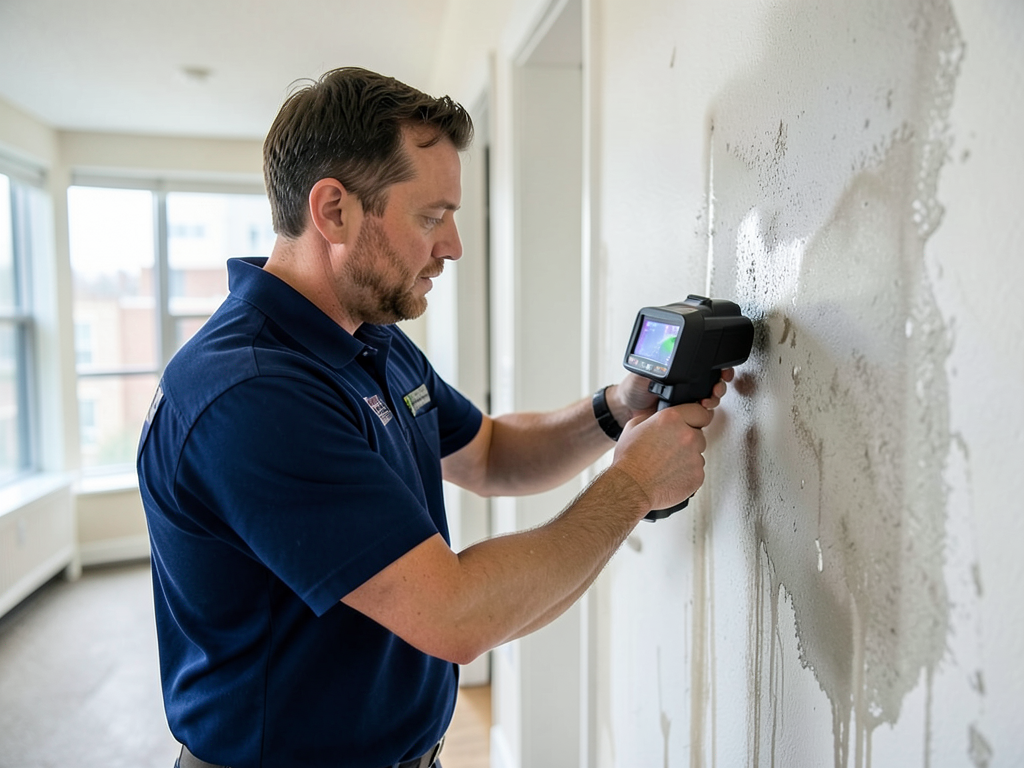
Effective mold remediation follows strict protocols established by the Institute of Inspection, Cleaning and Restoration Certification. The process begins with moisture mapping using thermal imaging cameras and hygrometers to identify all water sources feeding mold growth. You cannot eliminate mold without eliminating moisture.

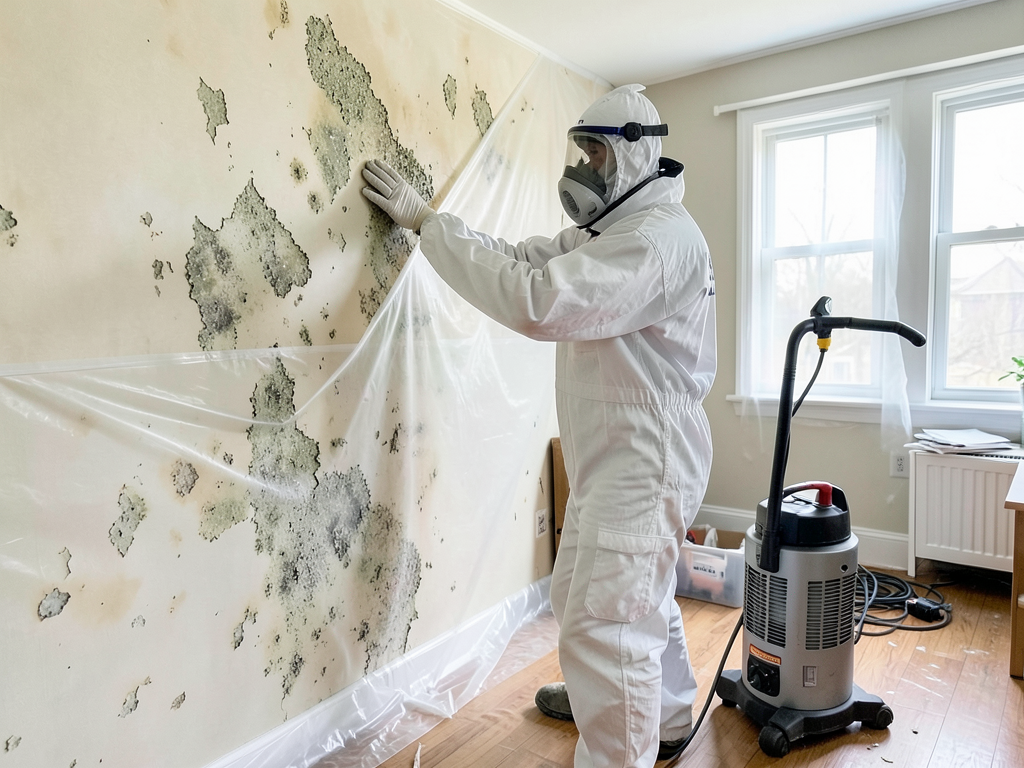
We establish containment zones using polyethylene sheeting and negative air machines equipped with HEPA filters. This creates negative pressure that prevents spores from spreading to unaffected areas during demolition and cleaning. Air scrubbers run continuously, cycling room air through filtration systems that capture particles down to 0.3 microns.

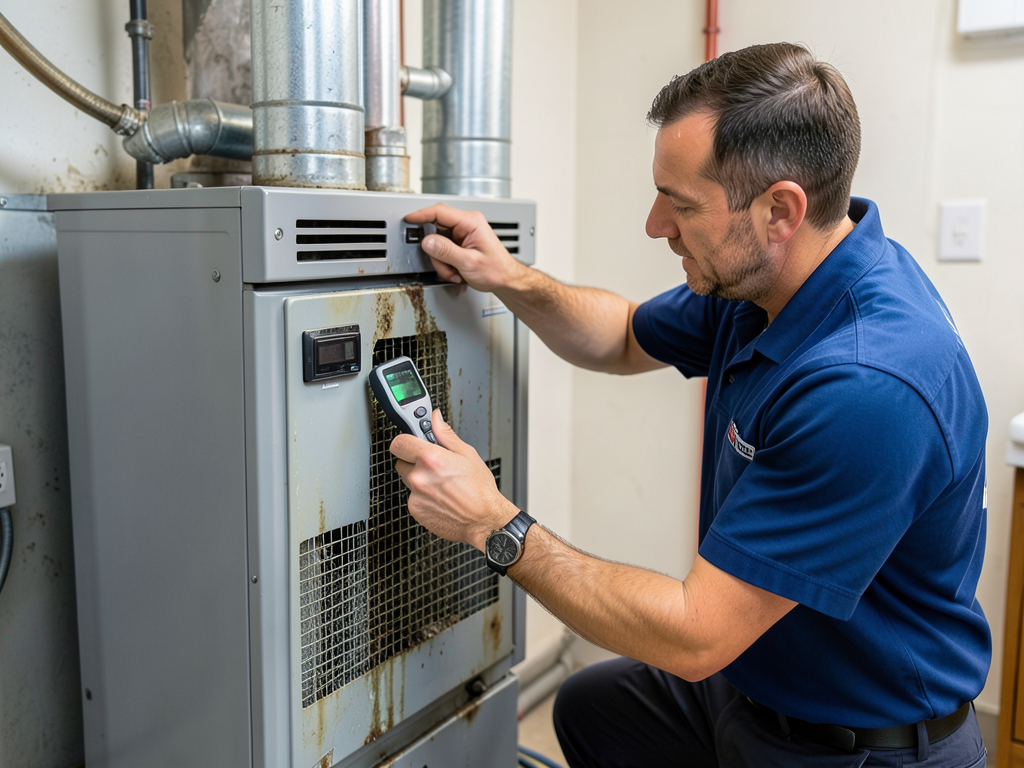
Porous materials like drywall, insulation, and carpeting that show visible mold growth get removed and bagged for disposal. Non-porous surfaces such as metal ductwork, concrete foundations, and framing lumber undergo aggressive cleaning with antimicrobial solutions. We use wire brushes and abrasive pads to physically remove surface growth before applying encapsulants that prevent regrowth.

The distinction between mold cleanup services and proper mold decontamination lies in verification testing. After physical removal and treatment, we conduct clearance testing using air sampling and surface swabs. An independent laboratory analyzes samples to confirm spore counts have returned to normal background levels. You receive documentation proving your property is safe for reoccupancy.

We address the root cause simultaneously with mold mitigation. That means repairing roof leaks, upgrading basement waterproofing, installing vapor barriers in crawl spaces, and improving ventilation in bathrooms and attics. Mold remediation without fixing moisture intrusion points is temporary. The contamination returns within months.

What Happens During Your Mold Remediation Project

Mold Remediation & Removal in Hartford – Complete Abatement From First Detection to Final Clearance
01

Inspection and Moisture Detection

Our technicians conduct a room-by-room assessment using thermal imaging cameras that reveal hidden moisture in wall cavities, under flooring, and above ceilings. We document all visible mold growth and use moisture meters to measure water content in building materials. You receive a detailed scope of work outlining contaminated areas, affected materials, and the remediation protocol required for your specific situation.
02

Containment and Removal

We seal off affected areas with polyethylene barriers and establish negative air pressure using industrial air scrubbers. Contaminated materials get removed, double-bagged, and disposed of according to Connecticut Department of Energy and Environmental Protection guidelines. All surfaces undergo HEPA vacuuming followed by antimicrobial treatment. The containment zone remains sealed until clearance testing confirms successful decontamination.
03

Verification and Prevention

Independent laboratory testing verifies spore counts have returned to safe levels before we remove containment barriers. We provide a certificate of mold remediation along with lab reports for your records. All moisture sources get addressed through repairs, waterproofing improvements, or ventilation upgrades. You receive a written maintenance plan outlining humidity control measures and inspection schedules to prevent future contamination.

Why Hartford Property Owners Choose Crestline Water Damage Restoration

Mold problems in Hartford require local knowledge. We understand how the Connecticut River Valley's humidity affects properties differently based on elevation, foundation type, and construction era. A Victorian home in Asylum Hill with a stone foundation faces different challenges than a 1970s ranch in the South End with a poured concrete basement.

Our technicians know Hartford's building patterns. We have remediated mold in triple-deckers with shared plumbing chases where a leak in one unit affects all three. We have worked in historic properties where preservation requirements limit demolition options. We have cleaned commercial buildings downtown where business continuity demands precise scheduling and minimal disruption.

We maintain relationships with local structural engineers and industrial hygienists for complex cases requiring third-party expertise. When remediation uncovers structural damage or requires extensive reconstruction, we coordinate with licensed contractors familiar with Hartford building codes and historic district regulations.

Insurance claims for mold damage require proper documentation. We photograph all contaminated areas, maintain chain of custody for testing samples, and provide detailed invoicing that separates remediation costs from reconstruction expenses. Our reports include moisture readings, containment protocols, disposal records, and laboratory clearance certificates that satisfy insurance adjusters and mortgage underwriters.

You need a remediation contractor who responds fast. Mold spreads exponentially once established. A 10-square-foot patch can double in size within 72 hours under optimal conditions. We dispatch crews within hours of your call, not days. Our trucks carry containment materials, air scrubbers, and antimicrobial treatments so we can begin emergency stabilization immediately.

What to Expect From Our Mold Removal Service

Response Time and Scheduling

We dispatch technicians within four hours for emergency situations where active water intrusion is feeding mold growth. Non-emergency assessments typically occur within 24 hours of your initial call. Most residential mold remediation projects in Hartford take three to five days from containment setup through final clearance testing. Larger commercial projects or properties with extensive contamination may require one to two weeks. We provide detailed timelines during the initial inspection so you can plan accordingly for temporary relocation if needed.

The Assessment Process

Your initial assessment includes visual inspection, moisture mapping with thermal imaging, and preliminary air quality testing if you report respiratory symptoms or strong musty odors. We identify all moisture sources, document contaminated materials, and outline remediation protocols required for your specific situation. You receive a written scope of work with material lists, timeline estimates, and procedural details. For properties requiring environmental testing, we coordinate with certified industrial hygienists who conduct independent sampling and laboratory analysis.

The Final Result

Successful mold decontamination means spore counts return to normal background levels verified through laboratory testing. Your property passes clearance inspection with documentation suitable for real estate transactions, insurance claims, or tenant occupancy requirements. All moisture sources get addressed through permanent repairs. Affected areas undergo reconstruction using mold-resistant materials like paperless drywall and closed-cell insulation. You receive certificates of mold remediation, lab reports, and photographic documentation of the entire process from initial contamination through final clearance.

Ongoing Prevention and Monitoring

Mold prevention requires continuous humidity control and moisture management. We provide written recommendations for dehumidification equipment, ventilation improvements, and seasonal maintenance tasks specific to your property type and Hartford's climate patterns. For properties with recurring moisture issues, we offer quarterly inspection services that catch problems before mold establishes. Basement waterproofing, crawl space encapsulation, and attic ventilation upgrades prevent future contamination. We maintain service records and provide annual reminders for filter changes, sump pump testing, and other preventive measures.

Frequently Asked Questions

You Have Questions,
We Have Answers

How much does it cost to remove mold? +

Mold removal costs in Hartford vary based on the size of the affected area and contamination severity. Small areas under 10 square feet might run a few hundred dollars. Larger infestations spanning multiple rooms or basement spaces can cost several thousand. Hartford's older homes with moisture issues from aging plumbing or poor ventilation often require more extensive work. Factors affecting price include accessibility, structural damage, HVAC system contamination, and whether demolition is needed. Testing adds to the cost but confirms what species you are dealing with. Request an inspection to get an accurate quote based on your specific situation.

What is the difference between mold removal and mold remediation? +

Mold removal means physically cleaning visible mold from surfaces. Mold remediation is a comprehensive process that addresses the root cause. Remediation includes containment to prevent spore spread, air filtration using HEPA equipment, removal of contaminated materials, treating affected areas with antimicrobial solutions, and fixing the moisture source. In Hartford homes with basement flooding or roof leaks common during winter freeze-thaw cycles, remediation prevents mold from returning. Simple removal without addressing humidity or water intrusion means the problem will recur. Professional remediation restores indoor air quality and prevents structural damage long-term.

How much does full mold remediation cost? +

Full mold remediation in Hartford typically ranges from a few thousand dollars for moderate projects to significantly more for extensive contamination. Cost depends on square footage affected, structural repairs needed, and whether HVAC systems require cleaning. Hartford's humidity and older housing stock with outdated moisture barriers often mean larger remediation scopes. Severe cases involving multiple rooms, wall cavity contamination, or compromised framing increase costs substantially. Testing before and after remediation adds expense but verifies success. Factors like asbestos presence in older Hartford homes can complicate and increase costs. Always get a detailed estimate after professional assessment.

Is professional mold removal worth it? +

Professional mold removal is worth it when contamination exceeds 10 square feet or involves hidden growth. Hartford homes face high humidity and seasonal moisture from snow melt and summer storms, creating ideal conditions for mold. Professionals use containment barriers, HEPA filtration, and antimicrobial treatments you cannot replicate. They identify hidden mold in wall cavities, crawl spaces, and HVAC systems. Improper DIY attempts spread spores throughout your home and worsen air quality. Professionals also address the moisture source, preventing recurrence. For health protection, structural integrity, and property value in Hartford's competitive housing market, professional remediation pays off.

What kills mold permanently? +

Nothing kills mold permanently without removing the moisture source. Mold needs water to grow. Professional remediation combines antimicrobial treatments, physical removal of contaminated materials, and moisture control. EPA-registered biocides kill surface mold, but spores remain dormant until moisture returns. In Hartford, controlling basement humidity with dehumidifiers, fixing roof leaks, and improving ventilation prevents regrowth. Encapsulation products seal porous surfaces after treatment. The key is maintaining indoor humidity below 60 percent and addressing water intrusion immediately. Without moisture control, mold always returns regardless of what cleaning solution you use.

What are signs of mold exposure? +

Mold exposure symptoms include persistent coughing, sneezing, throat irritation, and nasal congestion. You might experience headaches, fatigue, or skin rashes. Respiratory issues worsen for asthma sufferers or those with compromised immune systems. Eye irritation and wheezing are common. Hartford residents often mistake mold symptoms for seasonal allergies given Connecticut's pollen levels. Symptoms improve when you leave the contaminated environment and return when you come back home. If multiple household members develop simultaneous respiratory issues, suspect mold. Black or greenish patches, musty odors, and visible water damage signal a problem requiring professional inspection and testing.

Do you have to throw everything away with mold in the house after? +

You do not have to throw everything away after mold contamination. Non-porous items like metal, glass, and hard plastics clean successfully with antimicrobial solutions. Porous materials like drywall, insulation, ceiling tiles, and carpeting usually require disposal because mold penetrates deep into fibers. Furniture depends on the material and contamination severity. Hardwood can sometimes be saved, upholstered items rarely. Personal belongings like clothing and documents may be salvageable through specialized cleaning. In Hartford homes with basement mold from flooding, stored items often need disposal. A professional assessment determines what can be saved versus what poses ongoing health risks.

Can I remediate mold myself? +

You can tackle small mold patches under 10 square feet yourself if you have no respiratory conditions. Wear an N95 mask, gloves, and goggles. Clean with detergent and water, then dry completely. However, DIY mold remediation in Hartford homes risks spreading spores through HVAC systems and into wall cavities. You cannot properly contain the work area or test for hidden growth. Mold in crawl spaces, behind walls, or from sewage backup requires professional equipment and expertise. If you smell mold but cannot see it, call a professional. Disturbing large colonies without containment worsens indoor air quality and health risks significantly.

Is it hard to sell a house that has had mold remediation? +

A house with documented professional mold remediation often sells easier than one with undisclosed mold history. Connecticut disclosure laws require sellers to reveal known material defects. Providing remediation records, clearance testing, and warranty documentation builds buyer confidence. Hartford's older housing stock means many properties have faced moisture issues. Buyers appreciate transparency and proof the problem was properly addressed. Hiding past mold contamination invites legal issues and deal cancellations during inspection. Properties with recent, documented remediation and moisture control improvements may sell without issue. The key is professional documentation proving the problem was eliminated and the cause fixed.

Does homeowners insurance cover mold? +

Homeowners insurance rarely covers mold remediation unless it results from a covered peril like a burst pipe or sudden water heater failure. Gradual damage from neglected maintenance, humidity, or slow leaks gets denied. Hartford homeowners should review policies carefully as Connecticut insurers often limit mold coverage to minimal amounts. Flood-related mold requires separate flood insurance, important given Hartford's proximity to the Connecticut River. Insurance covers the water damage emergency but may cap mold remediation at a few thousand dollars. Document everything immediately after water events. Prompt action within 24 to 48 hours improves coverage chances and prevents mold growth.

How Hartford's Housing Stock and Climate Create Persistent Mold Challenges

Hartford's housing inventory includes thousands of homes built before 1950, many featuring rubble stone foundations, minimal insulation, and inadequate vapor barriers. The Connecticut River Valley's microclimate produces summer dew points regularly exceeding 65 degrees, creating condensation on cool basement walls and concrete floors. Spring flooding along tributaries like the Park River affects properties in Parkville and Frog Hollow, where groundwater intrusion saturates basement walls. Winter ice dams form on the steep rooflines common in Hartford's Queen Anne and Colonial Revival architecture, forcing water into attic spaces where it saturates insulation and ceiling joists.

Connecticut General Statutes Section 47a-7 requires landlords to maintain properties free from conditions affecting health, including mold contamination. Hartford's rental housing stock, which comprises over 70 percent of residential properties in some neighborhoods, creates liability concerns for property owners who delay professional mold abatement. Local building officials require permits for remediation projects exceeding 10 square feet of contaminated surface area. Our familiarity with Hartford's permitting process, inspection requirements, and historic preservation guidelines ensures your project meets all regulatory requirements while protecting property value and occupant safety.
Water Damage Restoration Services in The Hartford Area

Crestline Water Damage Restoration Hartford is strategically located to provide rapid and reliable service across the entire Hartford region and its surrounding communities. We invite you to view our service map to confirm that your property falls within our guaranteed service area, ensuring that a professional water damage expert is never far away when you need us most. We pride ourselves on the capability to reach your location quickly, a crucial factor in successful, timely mitigation and restoration.

Address:
Crestline Water Damage Restoration Hartford, 1916 Broad St, Hartford, CT, 06114

Additional Services We Offer

Our news updates

Latest Articles & News from The Blogs

Managing Winter Window Condensation to Prevent Rot in Your Northeast Hartford Victorian Winter condensation on your Northeast Hartford Victorian windows…

Managing Winter Window Condensation to Prevent Rot in Your Northeast Hartford Victorian

Managing Winter Window Condensation to Prevent Rot in Your Northeast Hartford Victorian Winter condensation on your Northeast Hartford Victorian windows…

Why Replacing Your Carpet Padding is Critical After a Leak in Your Bristol Home

Why Replacing Your Carpet Padding is Critical After a Leak in Your Bristol Home \n\n When water seeps into your…

Dealing with Water Damage in Your Mudroom Caused by Tracked-In Snow in West Hartford

Dealing with Water Damage in Your Mudroom Caused by Tracked-In Snow in West Hartford When melting snow from winter boots…

Contact Us

Mold doubles in size every 48 to 72 hours under optimal conditions. Call Crestline Water Damage Restoration Hartford at (860) 743-9993 for immediate assessment and containment. We dispatch crews throughout Hartford 24 hours a day, seven days a week.